
A Celebration Of Latin American Street Art

30 September 2024
A Celebration Of Latin American Street Art

Street Art. Urban Art. Graffiti. Defacement. Vandalism.
You’ll no doubt have your view on what best describes the imaginative, colourful and sometimes provocative works of art that adorn walls, doors and façades in cities worldwide.
Full disclosure – we’re massive fans. So much so that we actively seek places to visit where there’s a good supply of them. And nowhere more so than in Latin American countries, where impoverished neighbourhoods have spawned armies of creative street artists. Ranging from simple sketches to huge pictorial murals, their creations depict stories of national history, human struggle and local identity. And, in turn, they’ve transformed depressing, rundown streets into open-air galleries of colour and optimism.
This article celebrates some of the best Latin American street art we’ve seen over the years. And where you’ll find it. However, be aware that many of these examples may have been replaced with newer (and even more impressive) works of art by the time you arrive!

Street art in Buenos Aires, Argentina
Disclosure: This page contains affiliate links, which means that if you ultimately make a purchase, we earn a small commission at no extra cost to you. And it helps to keep our content free!
Contents
Click on the link to go straight there…
Guadalajara – San Miguel de Allende – Guanajuato – Ajijic – Puebla – Oaxaca
Cartagena – Medellín
Lima (Barranco)
Valparaiso
Buenos Aires – Cueva de las Manos
Rio de Janeiro – Salvador – Olinda
Panama – Bolivia
The origins of street art
Street art’s roots are firmly tied to the marginalised communities of New York City during the 1960s and 1970s. During that time, the poor living conditions and lack of opportunities catalysed young people to vent their frustrations by spray painting neglected and derelict buildings with their “tags” – complex designs of their names, suggesting ownership of a particular public space.
Known as graffiti, it was largely seen as vandalism and a symbol of crime-ridden, no-go areas for most people. But, amongst the growing community of artists, it became a sub-culture, inspiring collaboration and development into an art form more closely associated with that of today.
Much of the credit for widening its appeal goes to the English street artist known as Banksy. His (or her?) simple, yet provocative social commentaries, created under a blanket of anonymity and sheer audacity, helped to mainstream the art form and pave the way for other ”celebrity” street artists to push the boundaries of what’s possible.
The emergence of social media platforms during the 21st Century has further expanded the reach of these artists. And many are now recognised as legitimate artists by the establishment. Nowadays you’re just as likely to see street art displayed in a gallery exhibition as you will outside.
Mexico
Much of Mexico’s modern-day street art is influenced by the fabulous murals of José Clemente Orozco, Diego Rivera and David Alfaro Siqueiros. They were leaders of the Murals Movement, commissioned by the government following the Mexican Revolution (1910-1920) to create public murals depicting both pre-colonial culture and a new Mexico driven by both an indiginous and mixed Indian-European (“mestizo”) workforce.
Guadalajara
Famous as the spiritual home of mariachi and tequila, Guadalajara’s historic centre is adorned with beautiful colonial-era buildings and, as a university city, has a lively, youthful vibe.
Our selection of Guadalajaran street art reflects Mexicans’ relationship with death, culminating with Dia de los Muertos (Day Of The Dead) at the beginning of November. And a vivid image of Frida Kahlo, the iconic painter, with a representation of one of her most famous self-portraits.
Deeper Dive


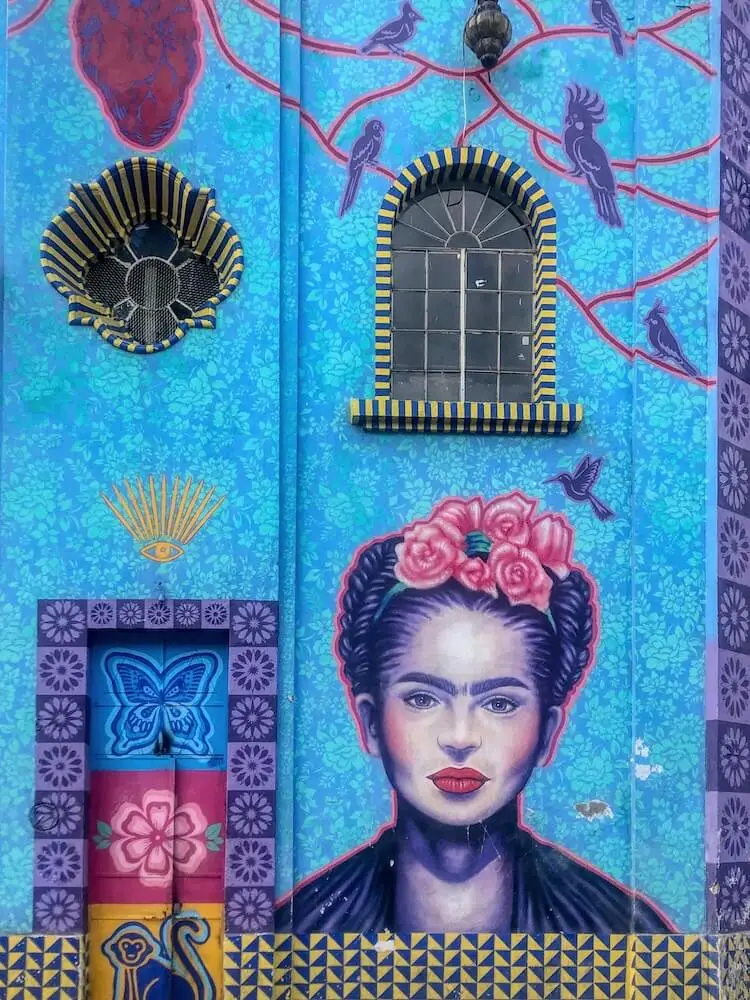
Frida Kahlo
San Miguel de Allende
Five hours by road from Guadalajara, San Miguel de Allende is probably the most aesthetically pleasing of all of Mexico’s colonial-era towns and cities. Its centre is a UNESCO World Heritage Site, too. As a result, it attracts well-heeled Mexicans and retirees from North America, who’ve converged on the town in large numbers over the past decade or so.
Most of the street art can be seen in the Guadalupe district, just outside the historic centre. And they’re amongst the most colourful we’ve ever seen.
Deeper Dive


Have you considered house sitting?
Over the years we've saved thousands of pounds on accommodation costs by house sitting all over the world. If you’re new to the concept but want to give it a try, you’ll need to sign up for one or more specialist websites that connect homeowners with potential house sitters. The world’s largest platform is Trusted Housesitters, with tens of thousands of opportunities around the globe.
By creating a free account with them you can preview what housesits are currently on offer, filtered by country, region or city.
You can do that by following this link and choosing the “Find a house sit” tab. If you then decide to join as a member, you’ll also receive a 25% discount on your first year’s subscription.

Guanajuato
Just an hour-and-a-half from San Miguel de Allende, Guanajuato is its grungier, noisy neighbour. We spent a couple of months there and grew to love the place. Not surprising really given its beautiful valley setting, incredible history and fantastic street food.
Walking its labyrinthine streets is no mean feat as cobbled alleyways climb steeply on both sides of the valley. But it’s here that some of the best street art can be found.
Many include an image of a frog – Guanajuato is the Spanish spelling of the original indigenous place name Quanaxjuato, meaning “Place of Frogs”. Nowadays, the amphibious croaker is the city’s mascot.
Deeper Dive


Ajijic
Another colourful town popular with North American retirees, Ajijic is situated on Lake Chapala, just south of Guadalajara. Home to more than its fair share of artists, the town seems to act as a giant canvas for experienced and would-be artists to create their magic.
A regular theme concerns the important role of the lake, which profoundly affects the well-being of the villages and towns surrounding it.
Our selection is taken from a stunning mural on the walls of an elementary (or primary) school, created by local artist, Efren Gonzalez.

Puebla
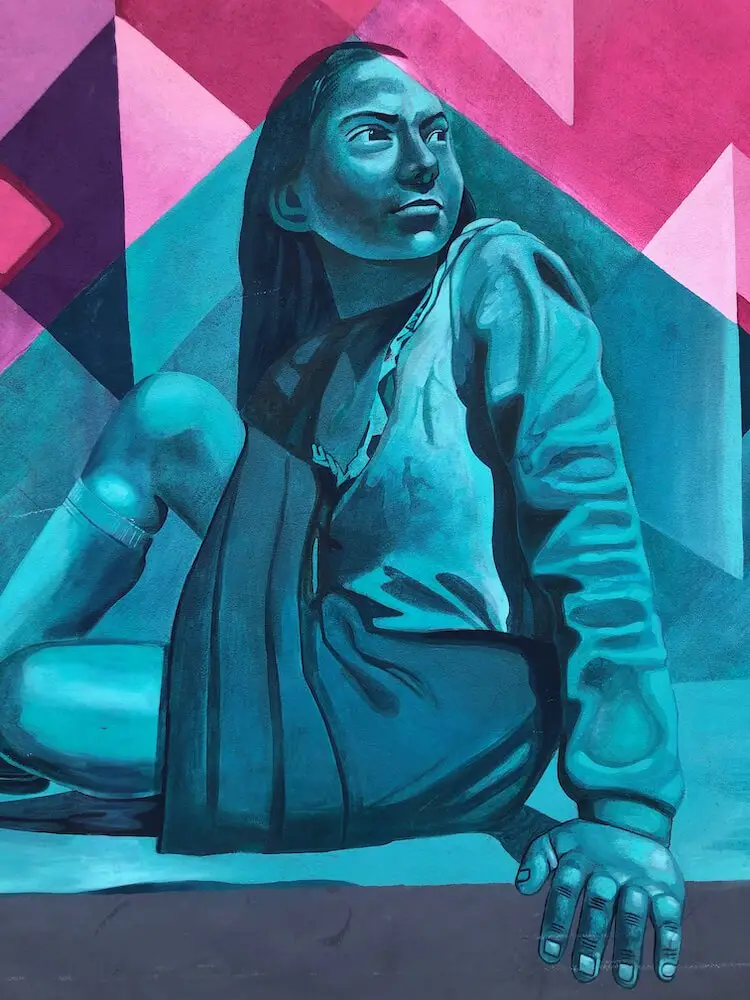
Speaking of places that attract artists, Puebla has an area (Barrio de Artista) dedicated to them. But the murals just outside the city centre are the most striking. For instance, in the Xanenetia barrio, many houses are adorned with imaginative paintings using doors and windows as props.
But, for our money, the two murals straddling either side of the duel carriageway (Boulevard Héroes de 5 de Mayo) are unmissable. One is a striking green and blue depiction of the Mexican Revolution. And, more or less opposite, the Mural de la Esperanza al Porvenir (“Mural of Hope for the Future”) is a monumental work created by 20 artists, covering a wall 25 metres long and 8 metres high. Intertwining images from Mexico’s distant past with those of first line medical staff during the COVID-19 pandemic, it’s a truly stunning sight.
Deeper Dive



Oaxaca
We spent our time in Oaxaca either side of the Day of the Dead festival. Unsurprisingly, there were plenty of skeletal figures painted on houses and walls to add to the macabre atmosphere.
As in other Mexican cities, there are certain neighbourhoods where the murals are present in large numbers – specifically Xochimilco and Jalatlaco, which are both easily accessible from the historic centre.
Deeper Dive

Colombia
Like many Latin American countries, Colombia has suffered a turbulent time over the past few decades. Something that’s reflected in its street art, where images of resistance combine with the country’s exhuberant natural beauty. The biggest collection is in Bogotá, a city we’ve yet to visit. So, for now, we’ve selected some of our favourites from the coastal resort of Cartagena and gritty Medellín.
Cartagena
Cartagena – another UNESCO World Heritage Site – offers world class food, a bustling nightlife and plenty of sublimely colourful buildings. No wonder it’s a favourite on cruise ship itineraries.
But, away from the tourist-friendly historic centre and the beaches of Bocagrande, the neighbourhood of Getsemani is home to the city’s best street art.
A recurring theme is the honouring of Nobel Prize-winning author Gabriel Garcia Marquez, who lived and worked in the city as a journalist. And, with Colombia’s nearly 2,000 species of bird, you’ll see plenty of our brightly coloured feathered friends depicted, too. The blue, yellow and red of the national flag are used to striking effect. As you can see below.


However, there are also plenty of examples portraying the struggles and resistance of different generations.
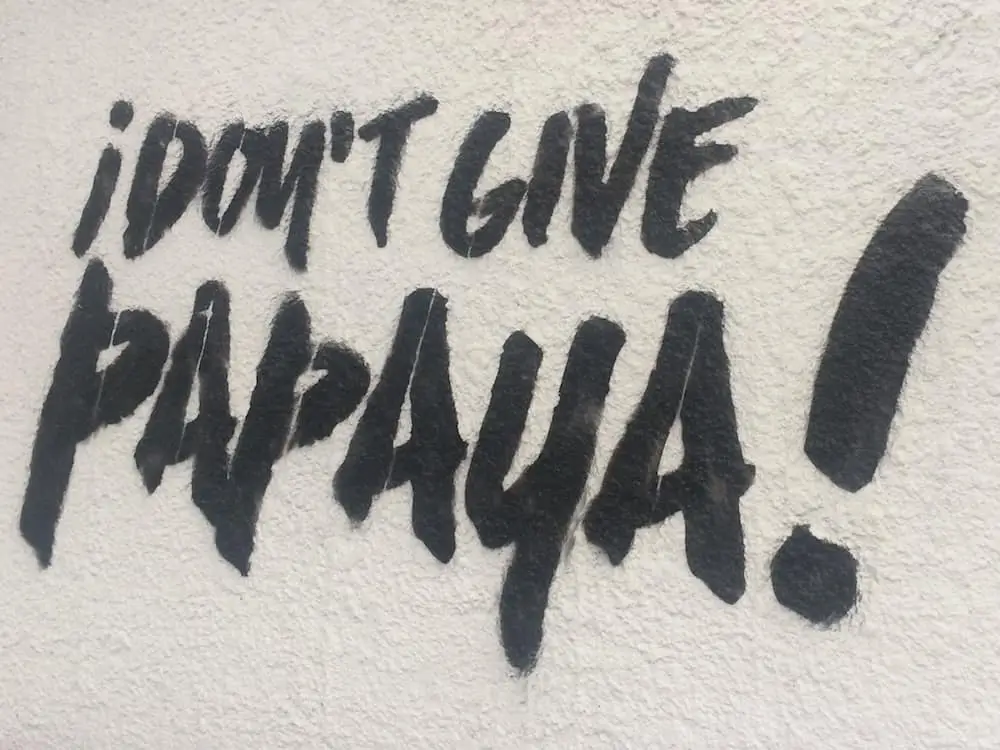
Although one of our favourites for its simplicity and honest messaging just states “!Don’t Give Papaya!” – or don’t leave papaya (which Colombians love!) where it can be taken from. In other words, don’t make it easy for petty criminals to take advantage of you. Which, to be honest, is good advice in any town or city.
Medellin
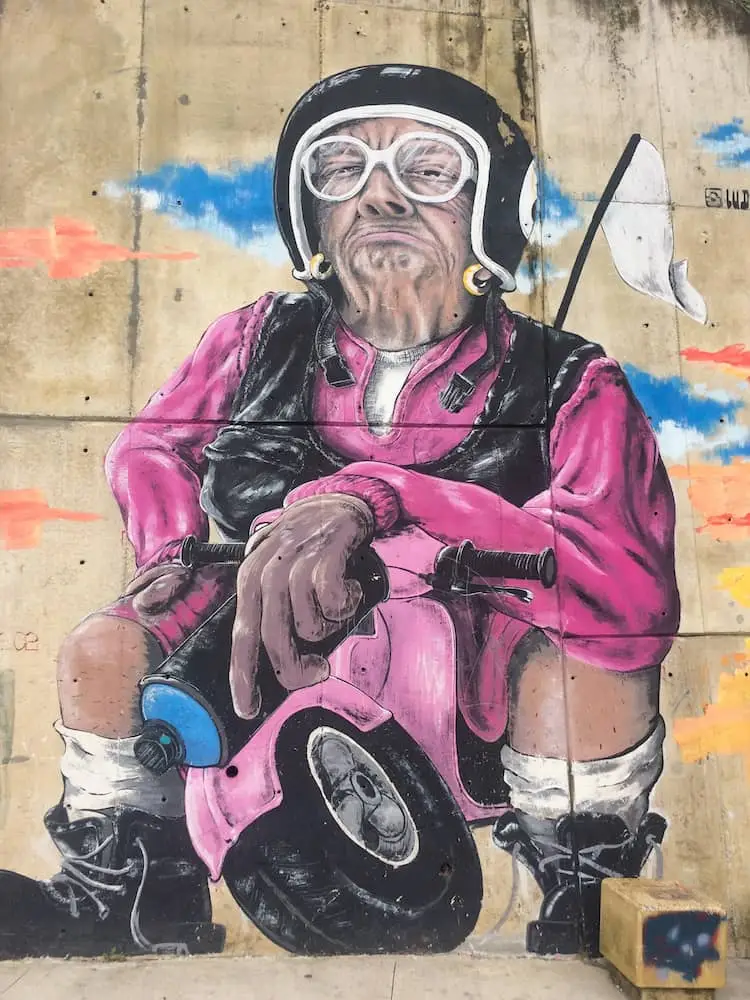
Notorious in the past for its association with a certain drug cartel leader and corresponding violence, Medellín has been steadily attracting tourism and digital nomads over the past few years. Previous no-go areas have been transformed, led in part by creative street artists, whose murals serve as both a reminder of past conflicts and a beacon of hope for the future.
And none more so that in the barrio of Comuna 13, reached by cable car from the city centre. We visited as part of a walking tour led by a local who’d lived through those dark years.
Deeper Dive


Peru
Lima (Barranco)
Some of Peru’s best street art is to be found in Barranco, Lima’s bohemian neighbourhood. Especially the murals underneath the bridge on Bajada de Banos Street (near the Bridge of Sighs).
We spent a few days in the barrio enjoying the ceviche, ice cream, coffee bars and craft beer. But it’s those murals that will last longest in the memory.

Never miss a post - subscribe to our newsletter on Substack
Chile
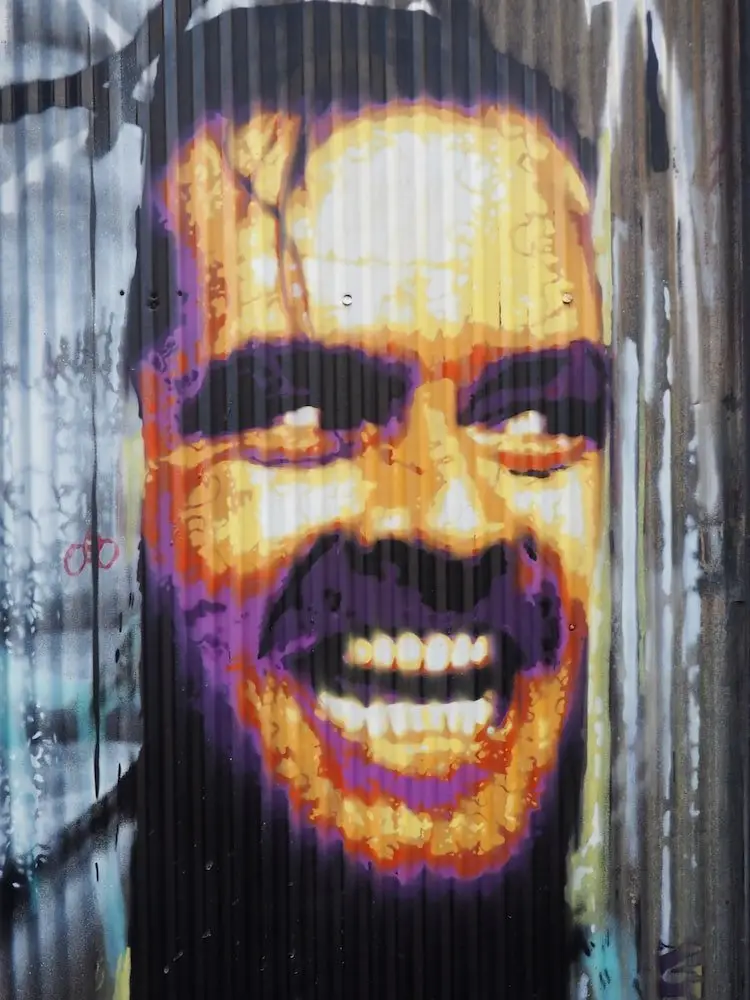
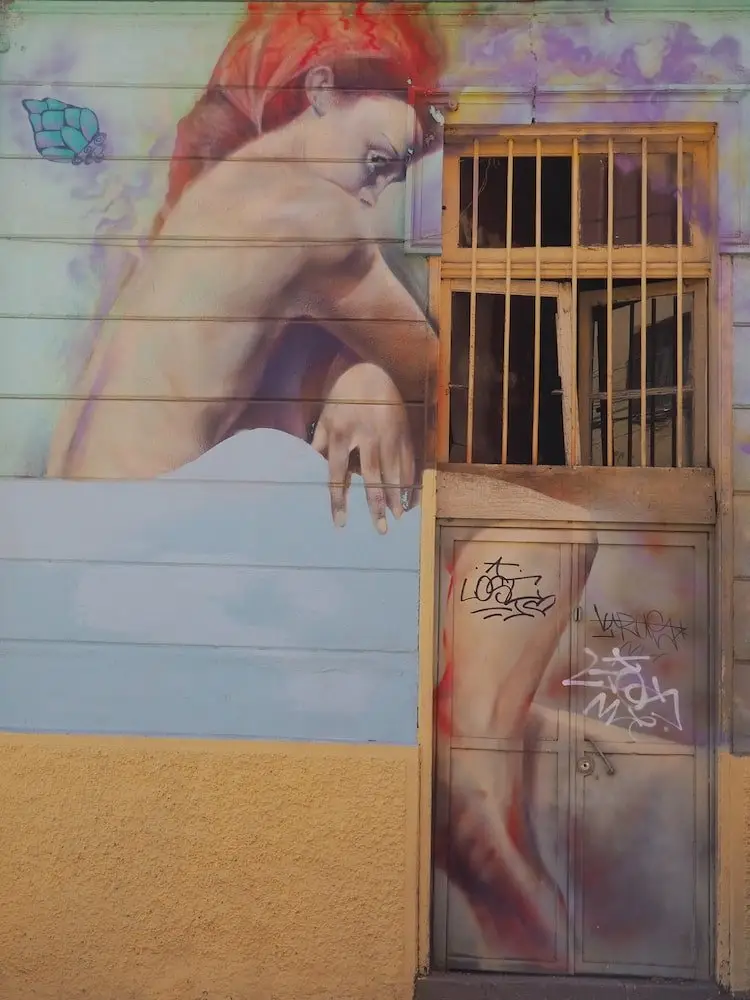
Valparaiso
A further 1500 miles south of Lima, along the continent’s Pacific coast, Valparaiso is Chile’s street art capital.
And, much like many other deprived neighbourhoods in South America, the once decaying buildings and crime-ridden streets have been transformed into colourful open-air galleries.
Indeed, although spray-painting walls is technically illegal, artists have been actively encouraged. Not surprising given the cruise ships that now arrive, full of tourists willing to take street art walking tours and spend their tourist dollars in the city’s shops, restaurants, bars and hotels.
We loved our visit there. And it’s easily accessible from Santiago.
Deeper Dive

Argentina
Buenos Aires
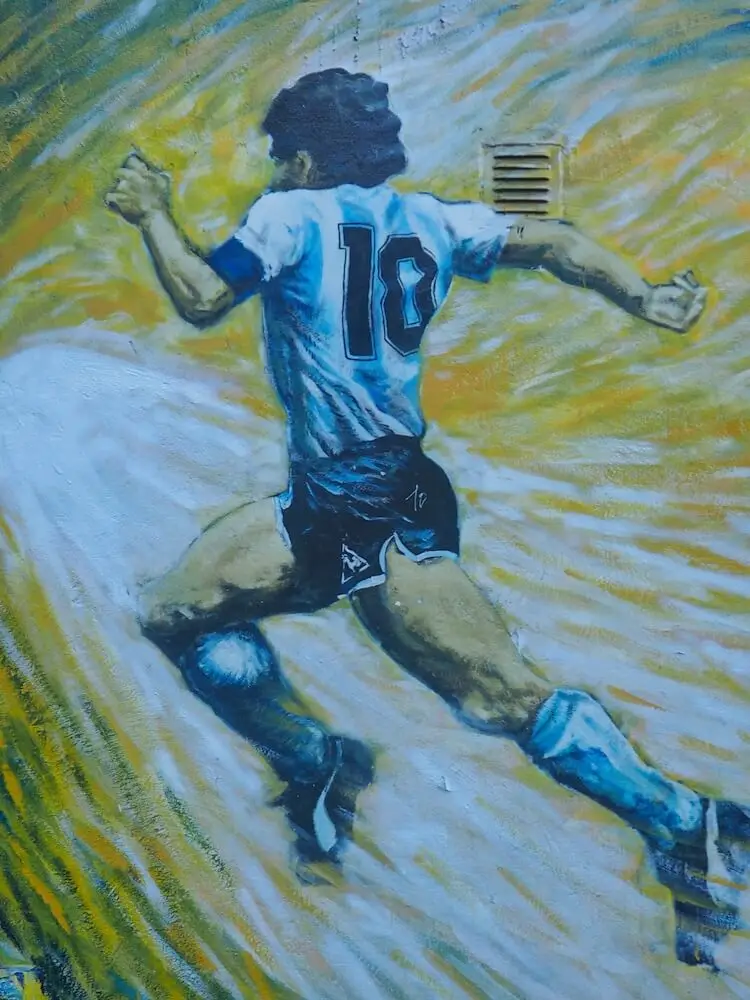
The street art in Buenos Aires reflects the turmoil of its political and social history, along with Argentinians’ passion for football. Specifically, Argentinian football.
Boca is perhaps the most famous neighbourhood. It’s where Diego Maradona made his name with Boca Juniors and cemented his legendary status as one of the greatest footballers of all time. Not surprisingly his image is everywhere. Although venture outside of Boca and you might just as well see a mural of his modern-day equivalent, Lionel Messi.
Diego Maradona
One of the most arresting murals we saw was one representing the “Mothers of the Disappeared”, a group of 237 mothers wearing white headscarves, who demonstrated outside the Presidential Palace against the disappearance of their children at the hands of the military junta (1976 – 1983). In all, some 30,000 people “disappeared” during that period. And the Madres continue to protest and seek answers to this day.

Cueva de las Manos
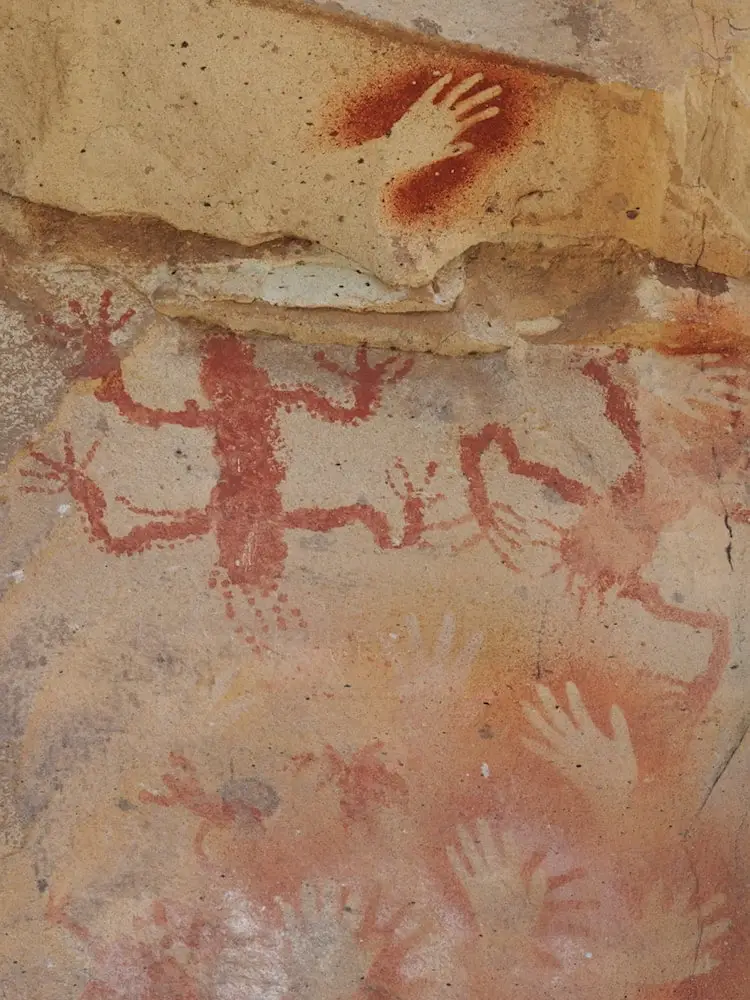
Of course, painting and stencilling on walls wasn’t just invented in the latter half of the 20th Century. During our extended road trip through Patagonia we saw some ancient rock art at Cueva de las Manos (Cave of the Hands) that was over 9,000 year old.
In all there are over 800 handprint stencils created by blowing paint through cylindrical bone over a hand positioned on the rock face. For some reason most are left hands. All are male. And one even has six fingers. Go figure.
Deeper Dive


Download the GPSmyCity walking app
We’ve teamed up with GPSmyCity to produce our very own self-guided travel articles via a FREE app on your mobile device. Which means you can download them to use as an offline travel resource for your trip.
However, you can upgrade (with an annual subscription) to a GPS-enabled version of the article, which includes walking directions from your current location to any of the places featured.
And that’s in addition to the thousands of other articles from over 1,500 cities available for download from the GPSmyCity app.
Find out more in our introductory post or watch a short overview video.

Brazil
Brazil’s tumultuous past also provides a rich vein of topics for street artists to create their masterworks. In particular, the depiction of Brazil’s African heritage through its food, music and dance.
Rio de Janeiro
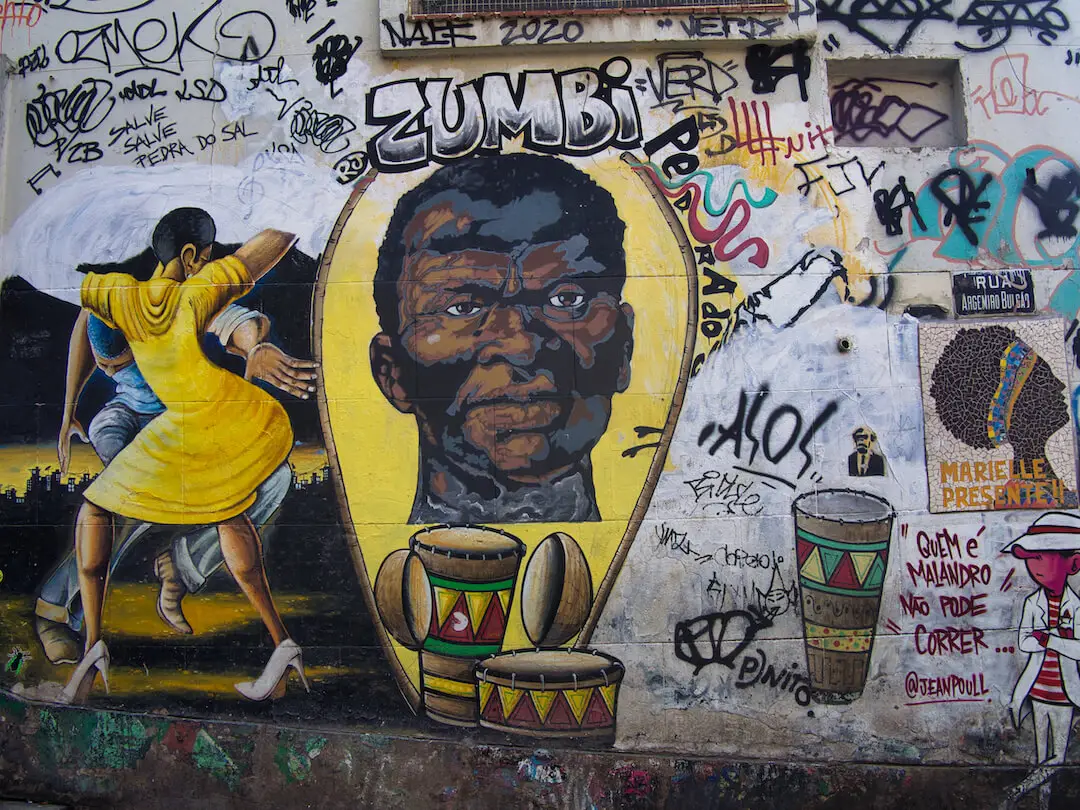
As one of the world’s largest slave ports, Rio’s history is indelibly linked to the slave trade. After its abolition in the late 18th Century, a neighbourhood called “Little Africa” transformed from being a centre of slave markets to a home for freed slaves. Out of which samba music is said to have been born.
Naturally, the area’s street art represents the struggle for freedom and a celebration of Afro-Brazilian culture through its music and dance. Especially in and around Pedra de Sal, the spiritual home of samba in Rio.

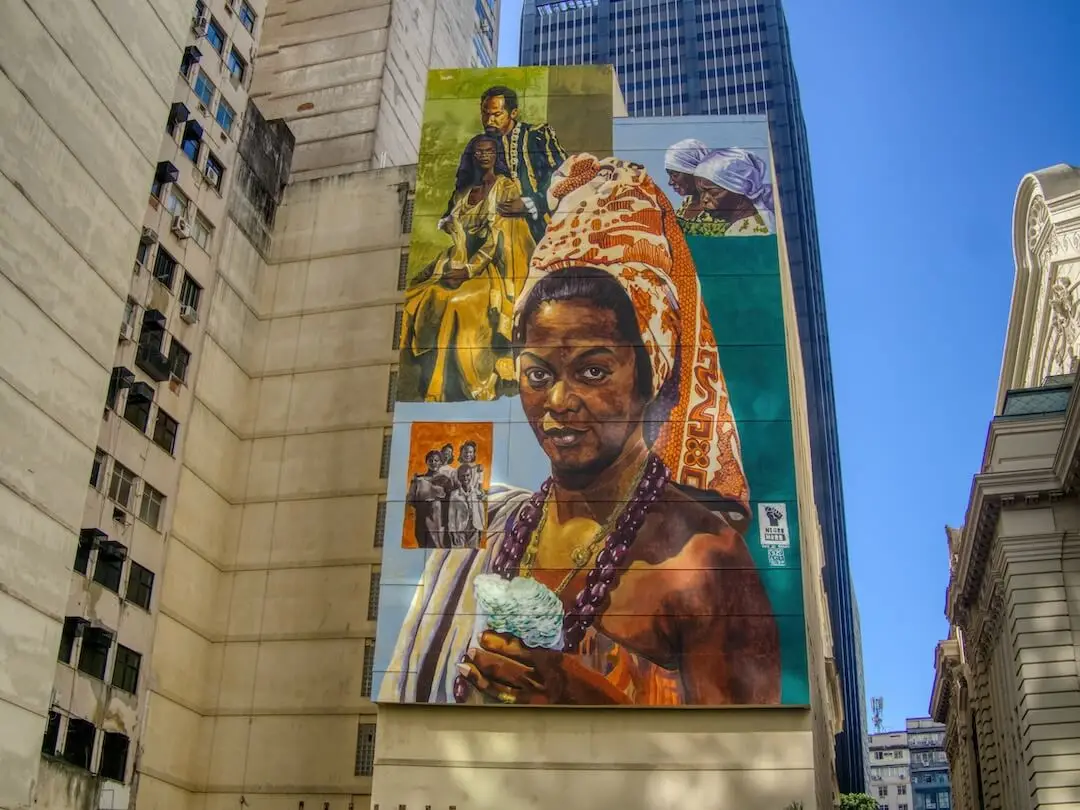
By contrast, a short walk from Little Africa takes you to the huge Mural Etnias. At the time of writing it’s the world’s largest mural, created by renowned artist, Eduardo Kobra. Commissioned as part of preparrtions for 2016 Rio Olympics, it celebrates diversity and a hopeful future. A truly phenomenal piece of work, it’s not be missed.


Elsewhere in the city, warehouses, office blocks and colonial-era buildings are all used as backdrops for some of the most stunning Latin American art work we’ve seen.

Salvador
Despite Salvador’s unfortunate reputation for violence, we reckon it’s a city that should be included on any Brazilian itinerary. Especially the historic Pelourinho and Santo Antonio neighbourhoods. With strikingly coloured buildings and plenty of restaurants serving fabulous Bahian food, it’s easily walkable. Albeit during the day when it’s much safer to do so.
The street art reflects Salvador’s Afro-Brazilian history and culture. It’s certainly not on such a grand scale as Rio de Janeiro, but it’s no less powerful in its messaging.


Olinda
500 miles further up Brazil’s northeast coast, Olinda is another colonial-era gem featuring colourful houses, red rooftops, cobblestones, Baroque churches and (once again) plenty of street art.
Its bohemian vibe is enhanced by street music, small art galleries and its annual Carnaval, one of Brazil’s biggest alongside Salvador and Rio.
The best place to see street art is along Rua do Amparo where, beside the restaurants, bars and cafés, whole buildings have been covered with murals.

Elsewhere in Latin America
Panama
Panama City might look like a typical modern city with a financial hub teeming with high-rise steel and glass. But a short walk through the fish markets and across the Cinta Costera (Coastal Walkway) reveals a world of crumbling old buildings and gentrified streets.
However, unlike most other Latin American colonial-era cities, the influence here is French rather than Spanish or Portuguese. Cue extravagant wrought iron balconies straight out of a Parisian boulevard or New Orleans street.
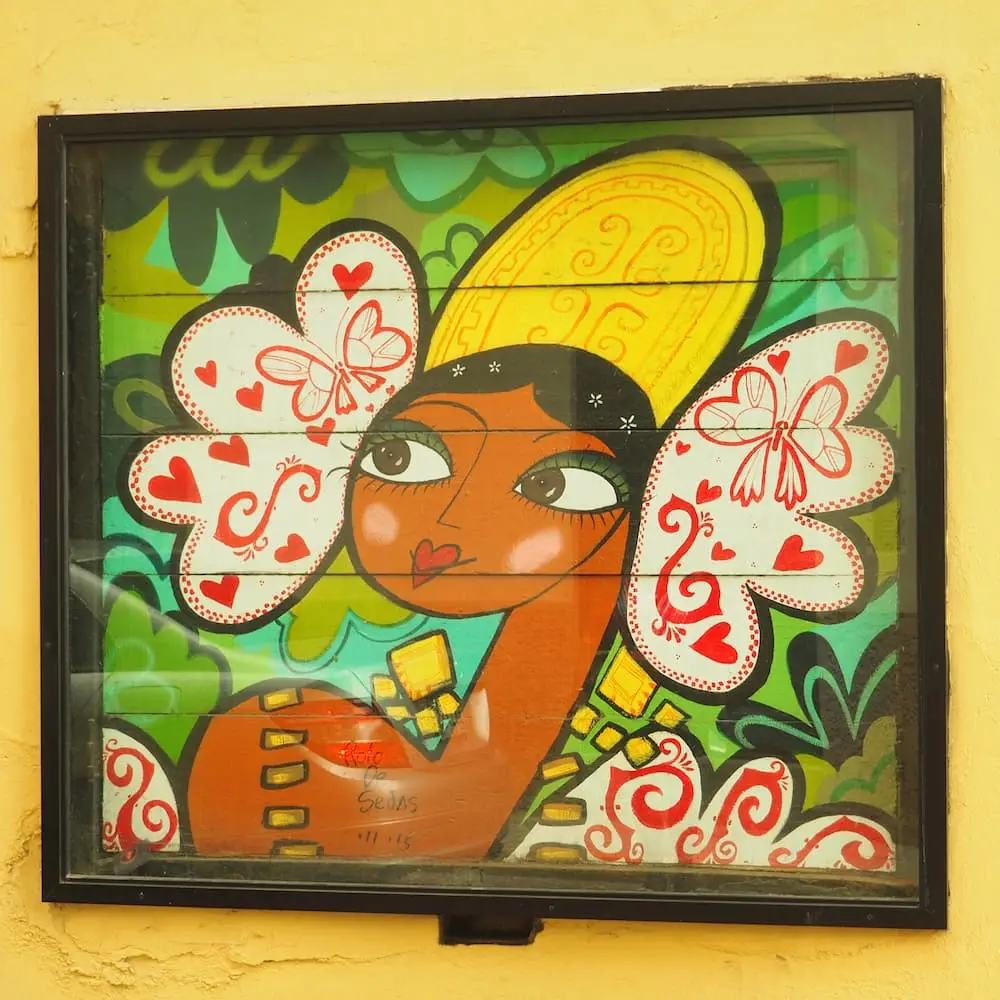
Once again, the street art accentuates the vibrant colour of the neighbourhood as well as transforming the greyness of modern Panama City. In particular, Rolo de Sedas’ colourful depictions of Latin American women.


Bolivia
La Paz, Bolivia’s sky-high capital, is a chaotic jumble of old and new. Where glass and steel skyscrapers fight for space with crumbling old buildings. And where sharply dressed business folk stand shoulder-to-shoulder with traditionally dressed Aymara cholitas – indigenous women whose striking appearance typically includes a wide, colourful skirt, shawl, braided hair and bowler hat.
Having suffered discrimination over the decades they’ve come to be recognised as a symbol of Bolivian strength and resistance. No wonder they feature in much of the city’s street art.

Have you thought about travel insurance?
Not just a "nice-to-have" but essential for most travel situations. As UK residents, we've always used True Traveller over the years, offering general travel insurance and backpacker insurance with coverage up to two years.
Remember: These are affiliate links, which means that if you ultimately make a purchase, we earn a small commission at no extra cost to you. Think of it as a win-win!
Final thoughts on Latin American street art
For us, visiting a Latin American city without seeking out its best street art is like not bothering to try the local food. We wouldn’t dream of doing either.
So, as we continue to travel in Latin America, we’ll be on the lookout for more artistic masterpieces like those featured here.
And, of course, we’ll update this article with our favourites.
Our Travel Blog Essentials
WORDPRESS THEME: Our site is powered by DIVI from Elegant Themes.
PHOTO EDITING: We edit and finish all our photographs in Luminar NEO, a simple and powerful alternative to Photoshop, Lightroom etc.
PHOTO STORAGE: We store our ever-growing collection of photographs with Smugmug, which also doubles as a visually stunning platform to share and sell our images.
Remember: These are affiliate links, which means that if you make a purchase, we earn a small commission at no extra cost.
What did you think? Do you have any recommendations on where to see Latin American street art? We’d love to hear from you so please add your comments below.


Thanks for reading

Hi, we're Ian and Nicky, an English couple on a voyage of discovery around the world, and this blog is designed to reflect what we see, think and do. Actually, we'd like to think it also provides information, entertainment and inspiration for other “mature” travellers, too. So please feel free to pour yourself a glass of something suitably chilled and take a look around.
Wow, what a colorful and comprehensive post. And it’s fun to see just how much our paths have crossed – we’ve seen a lot of these murals ourselves, but clearly we have some catching up to do. Nice job, amigos!